
Zero Energy House - The Future of Sustainable Living
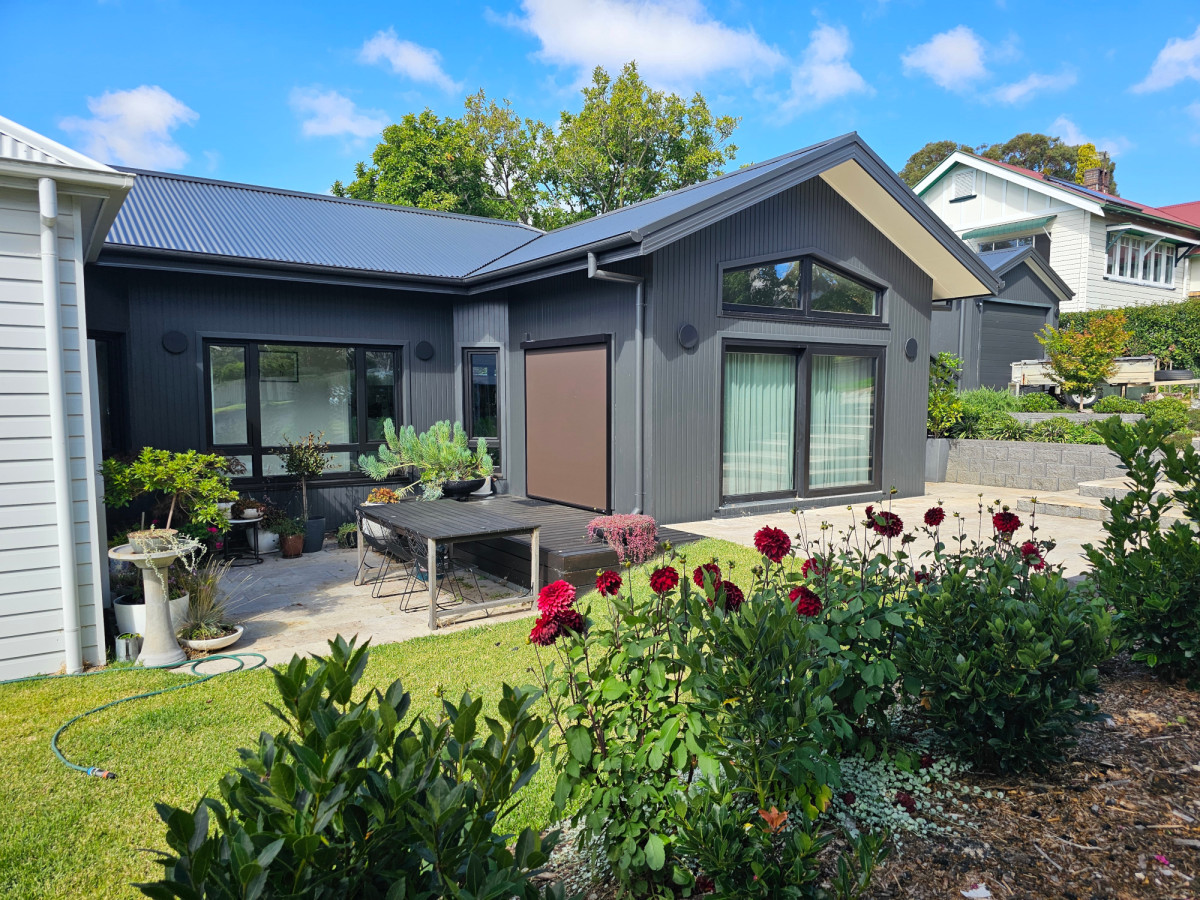
A Zero Energy House (ZEH) goes one step further than Passive House. It combines ultra-low energy demand with renewable energy systems sized to cover all of the home’s annual energy use.
In simple terms: A Zero Energy House produces as much energy as it consumes.
What Makes It Possible?
-
Passive House principles – Airtightness, insulation, ventilation, and high-performance windows.
-
On-site renewable energy – Usually solar panels.
-
Energy management system (EMS) – Distributes and optimises energy use, sometimes controlling blinds, ventilation, and other systems.
Why Zero Energy Matters
-
True energy independence.
-
No net carbon emissions from household energy use.
-
Stable, comfortable, self-regulating living spaces.
-
Lower long-term running costs.
The Customised Approach
Some homeowners choose to mix and match – adding insulation, improving glazing, or installing solar without going full Passive House or ZEH. While this can work, it carries risks if building physics isn’t fully considered. Moisture, condensation, and poor air quality are real dangers in poorly balanced homes.
A Smarter Way Forward
As building standards in Australia slowly improve, there’s a risk of repeating mistakes made in other countries – adding insulation without proper ventilation, leading to condensation issues. The proven principle is clear: “Build it tight, ventilate right.”
A Zero Energy House embodies this principle and shows what’s possible when design, technology, and sustainability align.