
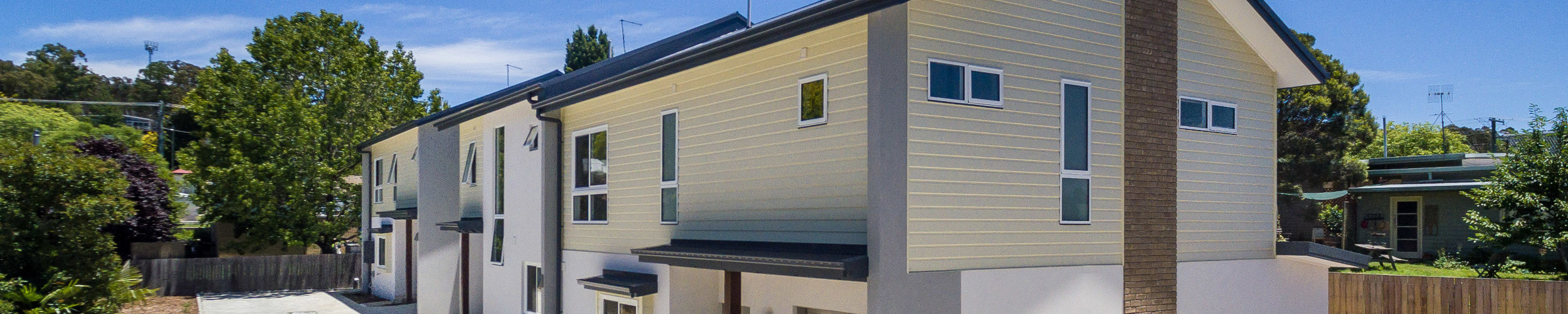
Our Approach & Wish
We want everyone to have the chance to live in a well-designed, low or zero-energy home.
With rising energy prices and a changing climate, one of the best ways to protect yourself is by building an energy-efficient home - whether you’re planning a new build or renovating.
An energy-efficient home reduces the need for heating and cooling, which means:
-
Lower energy bills.
-
Less reliance on the power grid (especially if combined with a stand-alone renewable system).
-
A smaller carbon footprint.
Nearly half of Australia’s residential emissions come from heating and cooling. Most households still rely on electricity from coal-fired power stations, making energy efficiency a powerful way to cut emissions.
The impact could be enormous. CSIRO scientists estimate that if all homes built in Australia from 2011–2020 were zero-emission, we would have avoided 63 million tonnes of greenhouse gases—the same as taking every private car off the road for more than two years, or shutting down all power stations for 100 days.
The Benefits of Smarter Design
A well-designed, eight-star energy-rated home with efficient appliances can cut energy use by over 70% compared to a typical five-star home in Melbourne. In Europe, Passive House models show savings of up to 85–90% compared to standard housing.
The Cost Reality
Yes, building an energy-efficient home may cost more upfront—generally between 0–15% more than a standard brick veneer build. But when you consider lifetime costs, the picture changes dramatically. Lower running costs can save you hundreds of thousands of dollars over the years, making the small initial investment well worth it.
And that’s before factoring in:
-
Year-round comfort indoors.
-
Reduced strain on public infrastructure.
-
The environmental benefits of fewer emissions.
The Takeaway
Energy-efficient design makes financial sense, environmental sense, and lifestyle sense. Best of all, it’s possible in every climate zone in Australia.
.jpg)
.jpg)
.jpg)
.jpg)
.jpg)
.jpg)