

Passive House - Precision and Performance
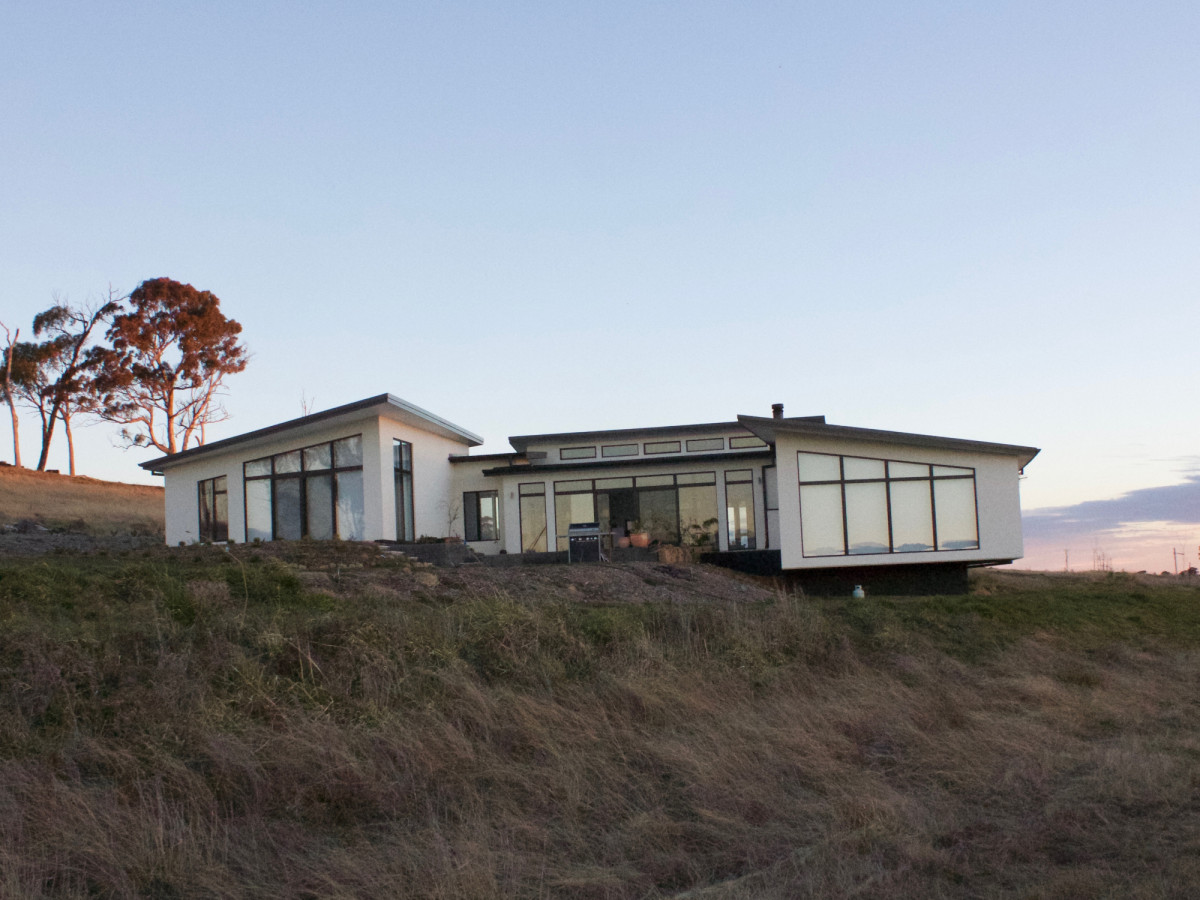
Where passive solar relies on natural energy flows, Passive House (or PassivHaus) takes a more scientific approach. Developed in Germany, Passive House is a rigorous building standard that guarantees year-round comfort and very low energy use.
What Defines a Passive House?
-
Temperature stability – 20–25°C indoors with less than 10% of the year above 25°C.
-
Ultra-low heating/cooling demand – Max 15 kWh/m² per year.
-
Airtightness – Tested at 0.6 air changes per hour at 50 Pa.
-
High-performance insulation and windows – 4–6 times better thermal performance than typical Australian windows.
-
Balanced ventilation with heat recovery (HRV) – Fresh, filtered air without energy loss.
Why It Works
By creating an airtight building envelope, a Passive House makes performance predictable and consistent. Fresh air comes through a controlled ventilation system, keeping the home healthy, comfortable, and quiet – no more draughts, condensation, or dust sneaking in.
Living in a Passive House
You can still open your windows whenever you want, but you won’t need to. The home is comfortable, with fresh filtered air, even during bushfire smoke events or heatwaves.
Why Choose Passive House?
-
Reliable indoor comfort.
-
High indoor air quality.
-
Lower energy bills and environmental impact.
-
Quieter, cleaner, and healthier living.
Passive House requires greater design effort and sometimes higher upfront costs, but it delivers unmatched comfort and efficiency for the life of the building.